
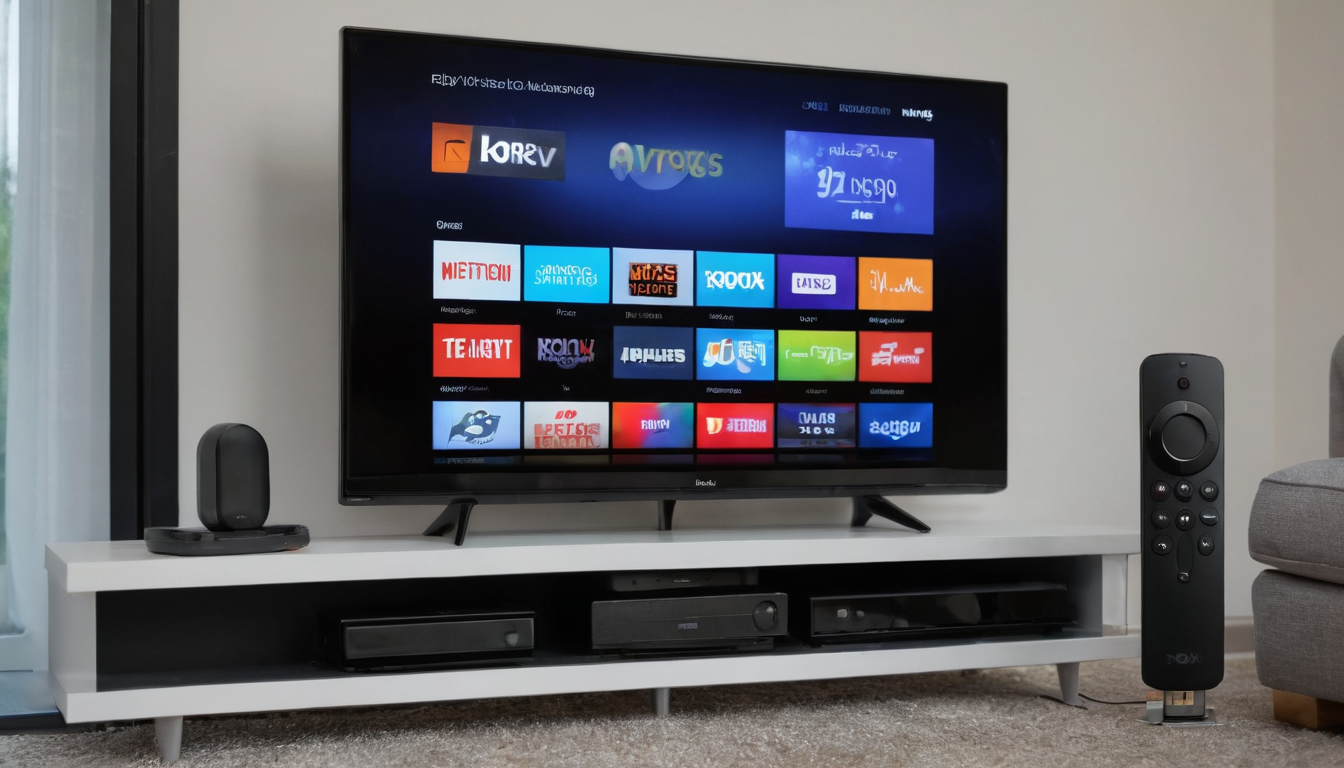
Fire TV Stick 4K vs Roku Express 4K: Which Streaming Stick Wins in 2026?
I own two Fire TV Sticks and a Fire TV Cube. I use them every day. So when people ask me Fire TV Stick 4K vs Roku, I have opinions — but I also have a bias I should be upfront about. I’ve lived in the Amazon ecosystem for years, and I genuinely like it. That said, Roku has real strengths that matter depending on what you care about.
This isn’t a spec-sheet showdown. It’s what actually matters when you’re picking a $30-50 streaming stick for your living room, bedroom, or wherever you watch stuff.
Table of Contents
- Fire TV Stick 4K vs Roku: the quick answer
- What I actually like about the Fire TV Stick 4K
- Where Roku actually beats Fire TV
- Fire TV Stick 4K vs Roku: specs side by side
- Which Fire TV Stick should you actually buy?
- Upgrade your setup: pair it with the Fire TV Soundbar
- The remote situation
- What about ads?
- Bottom line: Fire TV Stick 4K vs Roku in 2026
Fire TV Stick 4K vs Roku: the quick answer
If you’re already in the Amazon ecosystem — Prime membership, Alexa speakers, Ring doorbell — get the Fire TV Stick. Everything talks to everything. If you want the cleanest interface with the least ads and the most app options, Roku wins that fight.
Both stream 4K. Both cost under $50. Both do the job. The difference is in the details.
What I actually like about the Fire TV Stick 4K
The Alexa integration is the killer feature for me. I tell it to play something, it plays. I ask it what time it is while a show is running, it answers without interrupting playback. My Fire TV Cube takes this further — full hands-free voice control without touching the remote. I’ve got two Sticks in the bedrooms and the Cube in the living room, and the experience is consistent across all three.
The Fire TV Stick 4K supports Dolby Vision, HDR10+, and Dolby Atmos. That’s the full HDR and audio format lineup. Roku Express 4K+ handles HDR10 and HDR10+ but skips Dolby Vision entirely. If your TV supports Dolby Vision, that gap matters — it’s a visible difference in contrast and color on content that supports it.
Wi-Fi 6 on the Stick 4K Plus means less buffering if you’ve got a newer router and multiple devices on the network. The 4K Max goes further with Wi-Fi 6E. My house has a Wi-Fi 6 router with two kids streaming, security cameras running, and my work laptop connected. The Fire Sticks handle it without buffering. Can’t say the same for the old Roku I had years ago, though that was a different generation.
Where Roku actually beats Fire TV
Roku’s app library is bigger. Period. They have more free channels and a more open platform for smaller streaming services. If you use niche apps or want maximum free content, Roku has an edge.
The Roku interface is also cleaner. Fire TV’s home screen pushes Amazon content hard — recommended shows, Prime Video originals, sponsored tiles. You can work around it, but it’s there. Roku’s home screen is basically your app list. Less noise.
Roku also plays nice with every ecosystem. Works with Alexa, Google Assistant, and Apple AirPlay 2. The Fire TV Stick locks you into Alexa. If your smart home runs on Google Home, that’s a real friction point.
Fire TV Stick 4K vs Roku: specs side by side
| Spec | Fire TV Stick 4K Plus | Roku Express 4K+ |
|---|---|---|
| Price | ~$50 | ~$40 |
| Resolution | 4K Ultra HD | 4K Ultra HD |
| HDR | HDR10, HDR10+, Dolby Vision | HDR10, HDR10+ |
| Audio | Dolby Atmos | No Atmos |
| Wi-Fi | Wi-Fi 6 | Dual-band 802.11ac |
| Voice | Alexa | Alexa, Google, Siri |
| Storage | 8 GB | 8 GB |
| Ecosystem | Amazon only | Universal |
The $10 price difference between Fire TV Stick 4K vs Roku Express 4K+ gets you Dolby Vision, Dolby Atmos, and Wi-Fi 6. For most people that’s worth ten bucks.
Which Fire TV Stick should you actually buy?
Amazon has three 4K sticks right now and the naming is confusing. Here’s the short version.
The Fire TV Stick 4K Select ($22-40) is the budget pick. Basic 4K streaming, no Wi-Fi 6, but gets the job done if you just want Netflix and Prime Video in 4K without spending much.
The Fire TV Stick 4K Plus (~$50) is the sweet spot. Wi-Fi 6, full Dolby Vision and Atmos, snappy performance. This is the one I’d tell most people to buy.
The Fire TV Stick 4K Max (~$60) adds Wi-Fi 6E, 16GB storage (double the others), and the ambient screensaver mode. Worth it if you want room for more apps or your router supports 6E. Otherwise save the $10.
Upgrade your setup: pair it with the Fire TV Soundbar
Here’s a move that most people don’t think about. Your TV’s built-in speakers are terrible. Every TV. Even expensive ones. Pairing a Fire TV Stick with the Amazon Fire TV Soundbar (~$79-119) gives you a complete streaming setup for under $170.
The Fire TV Soundbar is a 2.0 channel bar with DTS Virtual:X and Dolby Audio. It’s not going to replace a proper home theater system. But it’s a massive upgrade over built-in TV speakers — dialogue gets clearer, bass actually exists, and movies sound like movies instead of someone talking through a phone speaker.
The integration is seamless if you’re already using a Fire TV Stick. One remote controls both. Audio settings show up right in the Fire TV menu. No fiddling with separate remotes or HDMI-CEC headaches. That’s the advantage of staying in one ecosystem — stuff just works together.
If you want Dolby Atmos from the soundbar, you’ll need the Fire TV Soundbar Plus ($150-250), which has a built-in subwoofer and proper 3.1 channel separation. But for most bedrooms and mid-size living rooms, the standard $79-119 bar is plenty.
The remote situation
Small thing that matters more than you’d think. The Fire TV Alexa Voice Remote has backlit buttons that light up when you pick it up in a dark room. The Roku Express remote doesn’t. After fumbling with a non-backlit remote at midnight trying not to wake up my wife, I appreciate this more than any spec on paper.
Both remotes have dedicated app buttons (Netflix, Disney+, etc.) that you can’t customize. Mildly annoying on both sides. The Fire TV remote also has two programmable shortcut buttons, which Roku lacks.
What about ads?
Both platforms show ads. Fire TV shows more of them. The home screen is part content launcher, part billboard. Amazon pushes Prime Video originals, sponsored app recommendations, and “featured” content you didn’t ask for.
Roku shows ads too, but they’re more contained — usually a banner on the right side of the home screen. Less intrusive. If ad-heavy interfaces drive you crazy, Roku wins this round.
Personally, I got used to Fire TV’s layout. I launch my apps and ignore the rest. But I get why it bothers people.
Bottom line: Fire TV Stick 4K vs Roku in 2026
I’m biased and I said so up front. I own three Fire TV devices and I’d buy them again. The Alexa integration, Dolby Vision support, and the way everything connects across my Amazon setup makes daily use effortless. The Fire TV Stick 4K Plus at $50 is the one I recommend.
But if you don’t care about Alexa, want a cleaner interface, or your smart home runs on Google — the Roku Express 4K+ at $40 is a solid pick. No Dolby Vision is the main trade-off, and whether that matters depends on your TV.
Either way, you’re spending less than a dinner out for a device you’ll use every single day. Hard to go wrong.
Pick up the Fire TV Stick 4K Plus on Amazon or the Roku Express 4K+ on Amazon.
Looking for more budget tech picks? Check out our Galaxy Buds 3 Pro review, the best budget multi-tools under $25, or the best USB-C docking station under $50.
Disclosure: Tooled Out may earn a commission from purchases made through links on this page. This doesn’t affect our recommendations or the price you pay. We only link products we’d actually suggest to a friend.