Tag: bluetooth

  • How to Fix Bluetooth Audio Delay on Android: 5 Proven Steps (2026)

    How to Fix Bluetooth Audio Delay on Android: 5 Proven Steps (2026)

    If you are searching for how to fix bluetooth audio delay on android, few things disrupt video streaming or gaming faster than dialogue that does not match lip movements. Whether you are watching YouTube videos, streaming movies, or playing games over Bluetooth earbuds or car speakers, audio latency creates an annoying lag between the visual on screen and the sound in your ears.

    Bluetooth audio delay on Android stems from three main causes: codec mismatching between your phone and headphones, background audio processing buffer delays, or corrupted Bluetooth cache files. This guide outlines the five proven fixes that eliminate audio out-of-sync issues on Samsung Galaxy devices and Android smartphones in 2026.
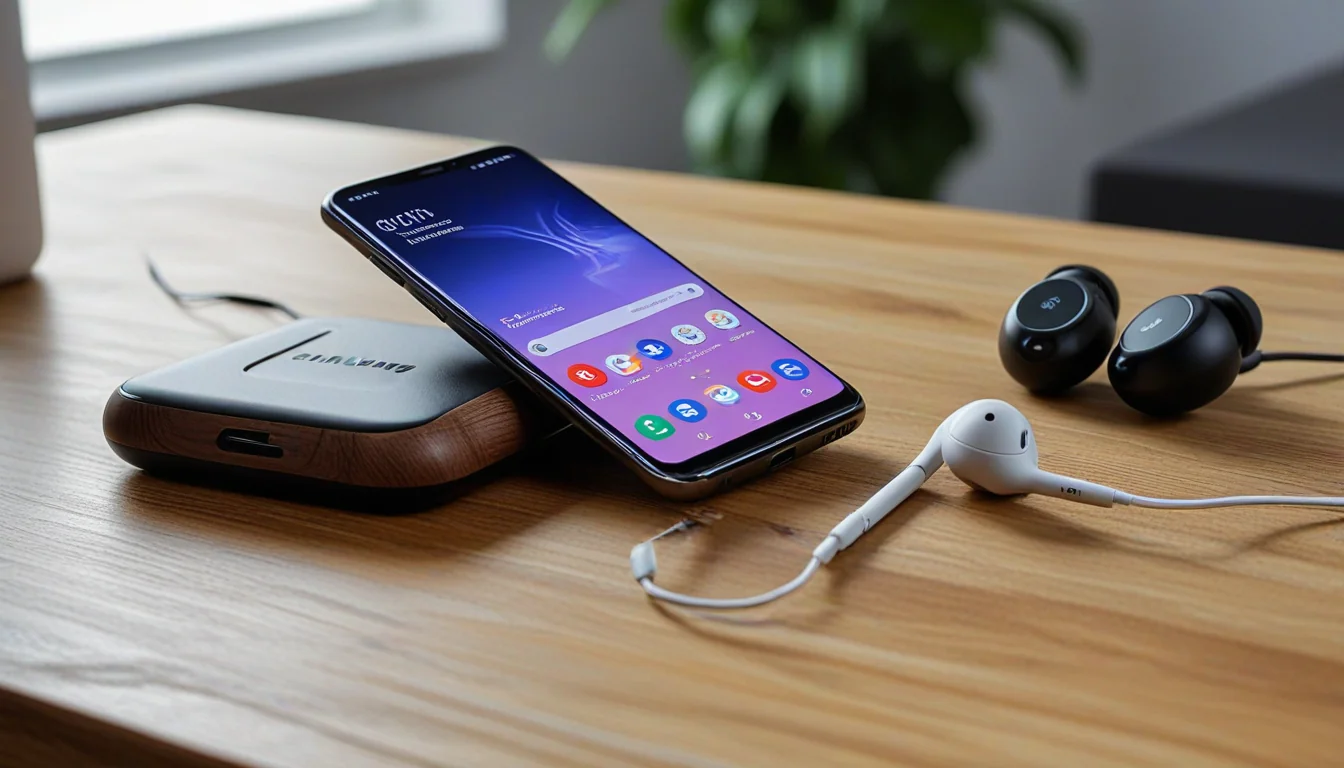
    How to fix bluetooth audio delay on android troubleshooting guide

    1. Switch to a Low-Latency Bluetooth Audio Codec

    Bluetooth codecs dictate how digital audio is compressed and transmitted from your phone to your headphones. Default codecs like SBC prioritize connection stability over speed, introducing noticeable audio lag. High-bitrate codecs (like Samsung Seamless Codec, LDAC, or aptX Adaptive) significantly reduce latency.

    As a long-time Samsung Galaxy owner who has carried the Galaxy Note series, S21 Ultra, S23 Ultra, S24 Ultra, S25 Ultra, and now the Galaxy Z Fold 8 Ultra, Bluetooth codec behavior varies depending on your earbud hardware. On Samsung devices paired with Galaxy Buds, the Samsung Seamless Codec automatically negotiates low latency. However, when pairing third-party headphones or car receivers, manually checking codec compatibility in Developer Options is key to eliminating audio delay.

    To change your Bluetooth codec on Android:

    • Go to Settings > About Phone > Software Information and tap Build Number 7 times to enable Developer Options.
    • Navigate back to Settings > Developer Options.
    • Scroll down to Bluetooth Audio Codec and select LDAC, aptX Adaptive, or AAC depending on what your headphones support.

    2. Disable Absolute Volume Control

    Absolute Volume is an Android feature that merges your phone’s volume controls with your Bluetooth device’s internal volume. While convenient, it frequently causes audio syncing errors and volume discrepancies on third-party Bluetooth speakers and car head units.

    When searching for how to fix bluetooth audio delay on android, disabling Absolute Volume separates your phone’s digital output buffer from the hardware receiver, fixing sync issues:

    • Go to Settings > Developer Options.
    • Scroll down to the Networking section.
    • Toggle ON Disable Absolute Volume.
    • Disconnect and reconnect your Bluetooth headphones for the setting to take effect.

    3. Reset Android Bluetooth & Wi-Fi Network Settings

    Accumulated Bluetooth pairing cache and stale network configurations can cause packet retransmissions, leading to progressive audio lag during long video streams.

    • Go to Settings > General Management (or System).
    • Tap Reset > Reset Mobile Network Settings & Reset Wi-Fi and Bluetooth Settings.
    • Re-pair your Bluetooth headphones and test audio sync.

    4. Toggle Off Media Audio Processing & Dolby Atmos for Gaming

    Advanced audio processing features—such as spatial audio head tracking, custom equalizers, or virtual surround sound—add extra digital signal processing (DSP) rendering time before sound leaves your phone. If you notice severe lag while playing mobile games or watching live streams, turning off DSP spatial effects eliminates the rendering bottleneck.

    • Go to Settings > Sounds and Vibration > Sound Quality and Effects.
    • Turn OFF Dolby Atmos for Gaming and disable custom equalizer presets to test raw audio speed.

    5. Clear Bluetooth Legacy Cache & Re-Pair Devices

    If how to fix bluetooth audio delay on android remains an issue after adjusting settings, corrupt Bluetooth system cache is usually holding onto legacy buffer sizes from old device pairings.

    • Go to Settings > Apps.
    • Tap the Filter/Sort icon and toggle ON Show System Apps.
    • Find and select Bluetooth (or Bluetooth Legacy).
    • Tap Storage > Clear Cache, then restart your smartphone.

    Applying these five settings adjustments will resolve lip-sync lag whenever you need to know how to fix bluetooth audio delay on android across wireless earbuds, headphones, and car audio systems.


    Please support our other platforms it helps support the site, Thanks! Check out our latest project walkthroughs and tech guides at Gigawerx Tech Hub and Dot.Cards/gigawerx .

  • Android Auto Keeps Disconnecting? 6 Fixes That Actually Work (2026)

    Android Auto Keeps Disconnecting? 6 Fixes That Actually Work (2026)

    When Android Auto keeps disconnecting mid-drive, navigation freezes and audio drops become a constant frustration. Whether you are using a wired USB-C setup or wireless Android Auto, random disconnects usually trace back to three specific culprits: power management killing background processes, Wi-Fi frequency interference, or an improper initial Bluetooth/wireless handshake.

    If you are searching for a permanent solution because Android Auto keeps disconnecting, this guide outlines the six proven troubleshooting steps that restore a stable, uninterrupted connection in 2026.

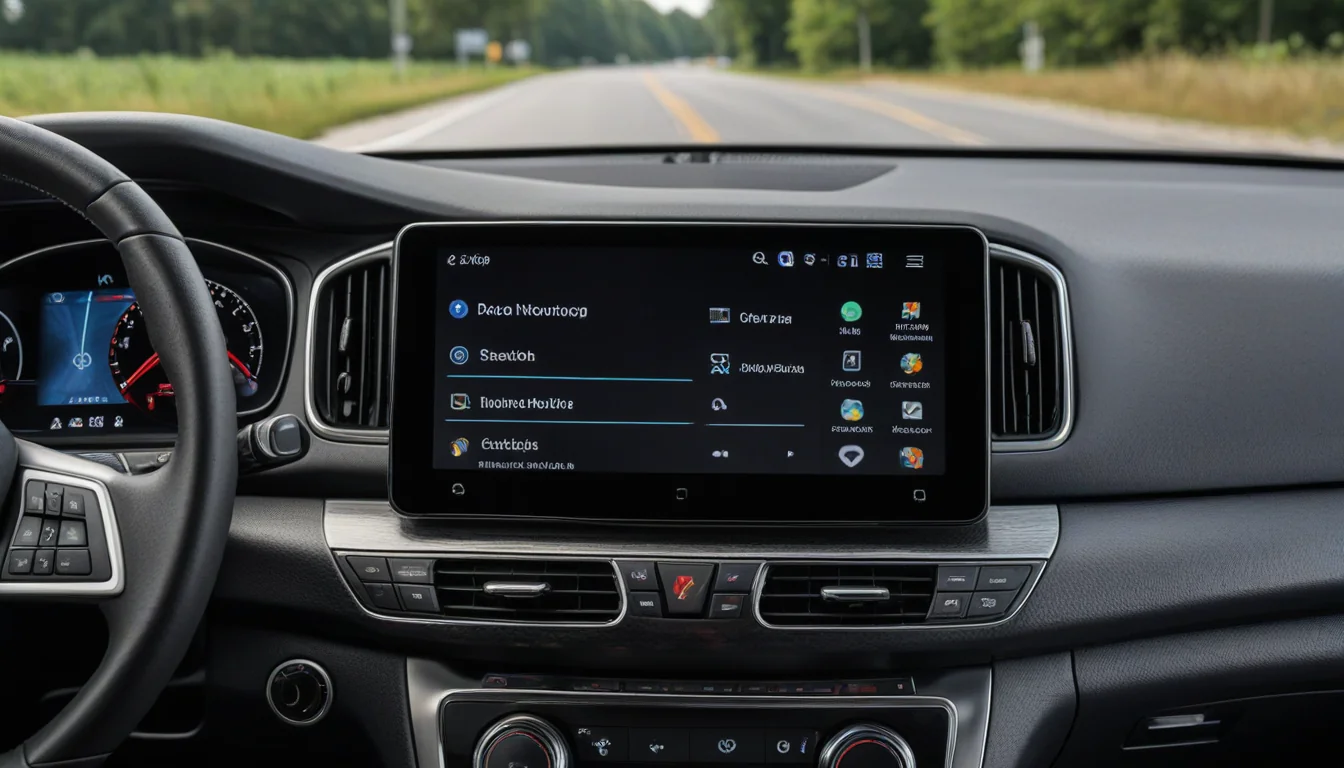
    Android Auto keeps disconnecting fix guide for smartphone and car infotainment

    1. The Initial Wired Handshake Trick (Ford Digital Experience & Wireless Head Units)

    If your vehicle supports wireless Android Auto but drops out randomly or fails to launch on startup, the initial wireless pairing handshake between your phone and the car’s operating system may be corrupted.

    [JOHN: I ran into this exact issue on my 2026 Ford Explorer. Starting with the 2026 model year, Ford moved away from legacy SYNC software to the new Ford Digital Experience (powered natively by Android Automotive OS with Google built-in). Dealership tech notes and community threads recommended connecting my Samsung Galaxy S25 via a high-speed USB-C cable for the initial vehicle pairing first. This allows the Ford Digital Experience operating system to register the phone’s hardware profile and handshake protocols cleanly. Once that initial wired sync was established, I disconnected the cable, and wireless Android Auto locked in reliably without mid-drive drops. I am currently running follow-up testing on the Galaxy Z Fold to verify if the same handshake protocol applies across foldable device profiles.]

    2. Disable Battery Optimization for Android Auto & System Services

    Modern Android power management (Doze Mode and Adaptive Battery) aggressively puts background apps to sleep to preserve battery life. If Android Auto or its supporting system processes get throttled while your screen is off, the head unit connection will instantly drop.

    To prevent Android from putting Android Auto to sleep:

    • Open Settings > Apps > Android Auto.
    • Tap Battery and select Unrestricted (or disable Pause app activity if unused).
    • Repeat this step for Android System Intelligence and Google Play Services.

    3. Replace Your USB-C Cable (Wired Connections)

    When Android Auto keeps disconnecting over a physical USB connection, standard phone charging cables are usually to blame. Android Auto transfers high-bandwidth display data and audio simultaneously while drawing power. Thin or degraded cables cause instantaneous data drops over small bumps or power surges.

    • Use a short (3 feet or shorter) USB 3.1 or USB 3.2 Gen 2 (10Gbps) rated cable.
    • Ensure the connector fits snugly into your phone’s charging port without wiggle room.
    • Clean lint or debris out of your phone’s USB-C port using a non-conductive wooden toothpick or compressed air.

    4. Clear Android Auto Cache & App Data

    Accumulated cache files from vehicle firmware updates or app updates can cause handshake collisions when your phone connects to the car’s head unit.

    • Go to Settings > Apps > Android Auto.
    • Tap Storage.
    • Tap Clear Cache, then tap Clear Data.
    • Restart your phone and reconnect to your vehicle to establish a clean pairing profile.

    5. Lock Wi-Fi Frequency Band & Disable Wi-Fi Scanning

    If Android Auto keeps disconnecting wirelessly near intersections or stoplights, background Wi-Fi network scanning is often forcing the 5GHz projection channel to drop. Wireless Android Auto relies on a direct 5GHz Wi-Fi projection channel between your phone and the car.

    • Go to Settings > Connections > Wi-Fi.
    • Tap the three dots (Advanced) and turn OFF Turn on Wi-Fi automatically and Wi-Fi network notifications.
    • Disable any active VPN apps (ExpressVPN, NordVPN, Google One VPN) while driving, as local VPN tunnels block Android Auto’s local IP bridge.

    6. Reset Vehicle Infotainment & Bluetooth Profiles

    If multiple phones have been paired to your vehicle over time, memory allocation issues in the car’s head unit can cause connection drops.

    • In your car’s head unit menu, delete all old paired Bluetooth devices.
    • In your phone’s Bluetooth settings, tap Forget on your car’s Bluetooth profile.
    • Perform a hard restart on your vehicle’s infotainment system.

    Following these six troubleshooting steps will resolve the root cause whenever Android Auto keeps disconnecting on Samsung Galaxy devices or modern car infotainment systems.


    Please support our other platforms it helps support the site, Thanks! Check out our latest project walkthroughs and tech guides at Gigawerx Tech Hub.

Verified by MonsterInsights